
Will Teeth Whitening Actually Work for You? A Candidacy Guide

If you’ve ever wondered, will teeth whitening actually work for you, you’re not alone. Many patients in Cheney, WA ask this exact question before investing in treatment. The honest answer is: it depends. Whitening works beautifully for some people and produces little to no change for others. This candidacy guide helps you understand where you fall — and what your best options might be.
How Teeth Whitening Works — And Why It Has Limits
Teeth whitening uses peroxide-based agents to break apart stain molecules inside your enamel. This process targets extrinsic stains — discoloration sitting on or near the tooth surface. Coffee, tea, red wine, and tobacco are classic culprits. These stains respond very well to whitening treatment.
However, whitening cannot change the color of your tooth structure itself. It also cannot penetrate dental work like crowns, veneers, or bonding. That’s an important limitation many patients don’t realize until after treatment. Understanding this upfront saves disappointment later.
The deeper the stain’s origin, the less likely whitening will help. Dr. Devin Rourke at Cheney Dental Care always evaluates stain type before recommending any whitening approach. A thorough exam is the best first step.
Who Gets the Best Whitening Results in Cheney
Ideal whitening candidates share a few key characteristics. They typically have healthy teeth and gums with no untreated decay or gum disease. Their staining comes from lifestyle sources — food, drinks, or tobacco. Their natural tooth enamel is mostly intact.
Here are the traits that predict excellent whitening outcomes:
- Surface-level stains from coffee, tea, or wine
- Tobacco-related yellowing on natural enamel
- Mild to moderate overall discoloration
- No active cavities or periodontal disease
- Little to no existing dental restorations in the smile zone
If you fit most of these criteria, professional whitening can produce dramatic results. Many patients in Cheney see their teeth brighten by several shades in a single visit. That kind of change can significantly boost confidence.
Who May Not See Good Results — A Candidacy Guide for Cheney Patients
Not everyone is a strong candidate, and that’s completely okay. Several situations limit whitening effectiveness. Knowing these ahead of time helps you explore better-fit solutions with Dr. Rourke.
Intrinsic stains originate inside the tooth itself. These develop during tooth formation or after dental trauma. Whitening agents cannot reach or alter this type of discoloration. Patients with intrinsic staining often need cosmetic alternatives instead.
Medication-induced staining is another common limitation. Tetracycline antibiotics taken during childhood can cause deep gray or brown banding. Minocycline and some blood pressure medications can also cause discoloration. These stains are notoriously resistant to whitening treatment.
Dental restorations present another challenge. Whitening gel does not change the color of:
- Porcelain crowns or bridges
- Composite dental bonding
- Veneers — porcelain or composite
- Tooth-colored fillings
If your front teeth include crowns or bonding, whitening your natural teeth could create a color mismatch. The restored teeth stay their original shade while surrounding teeth brighten. That uneven result often requires additional cosmetic work to correct.
Special Situations That Affect Whitening Candidacy
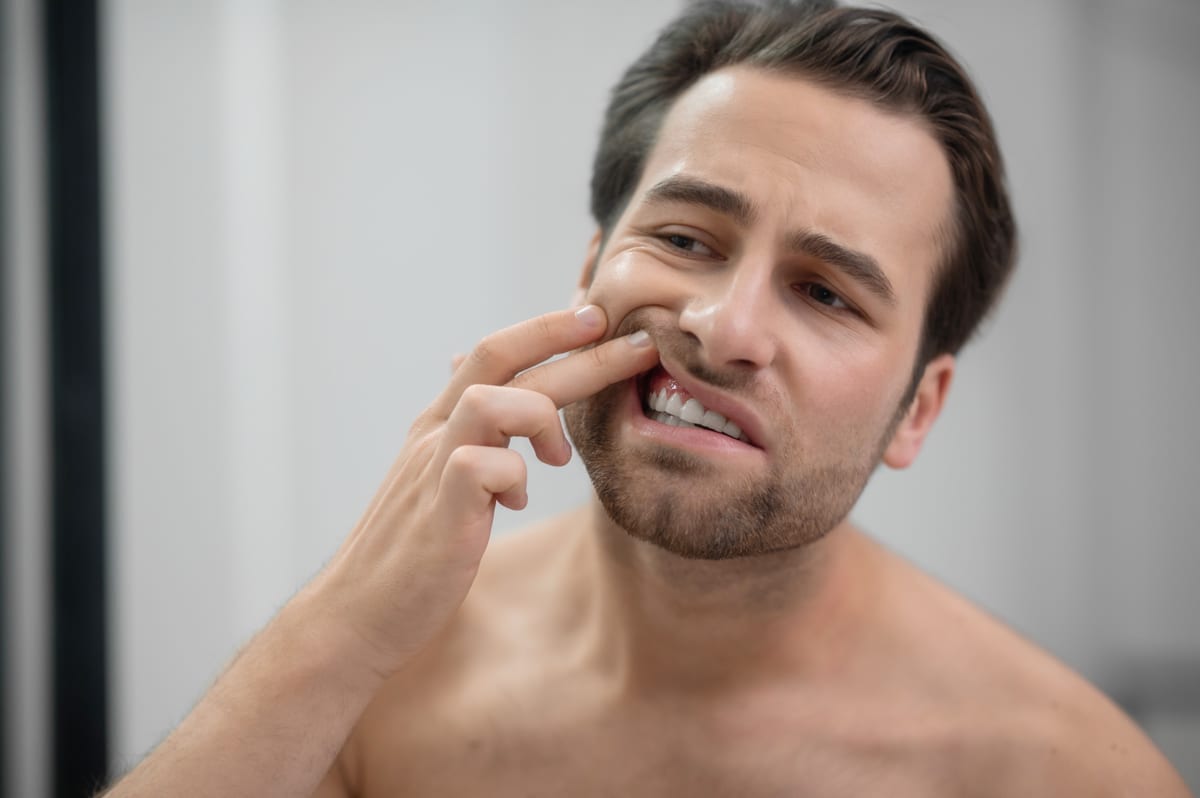
Tooth sensitivity is worth discussing before you start whitening. Some patients experience significant discomfort during or after treatment. This is usually temporary, but it can be intense. Dr. Rourke can recommend lower-concentration options or sensitivity-reducing protocols to minimize this effect.
Gum disease and active decay must be treated before whitening begins. Applying whitening agents to unhealthy teeth or inflamed gums can worsen existing problems. If you need periodontal care, that always comes first. Cheney Dental Care takes a health-first approach before any cosmetic procedure.
Pregnant patients are advised to postpone whitening until after delivery. Research on whitening safety during pregnancy remains limited. The cautious choice is to wait. Dr. Rourke will always prioritize your overall health above cosmetic goals.
Age also plays a role. Younger teens may have larger pulp chambers, making teeth more sensitive to whitening. Most dentists recommend waiting until around age 16 before beginning treatment. An evaluation helps determine the right timing for younger patients.
What to Do If Whitening Won’t Work for You
There are excellent cosmetic options for patients who aren’t whitening candidates. These alternatives can address staining that peroxide cannot touch. Dr. Rourke discusses all options during your consultation at Cheney Dental Care.
Dental veneers cover the front surface of teeth with thin porcelain or composite shells. They mask deep intrinsic stains, tetracycline discoloration, and uneven coloring. Veneers also address shape and size concerns simultaneously. Many patients find them a more comprehensive smile solution.
Dental bonding uses tooth-colored composite resin to cover stained surfaces. It’s a more affordable option than veneers and requires minimal enamel removal. Bonding works well for smaller areas of discoloration. Results typically last several years with proper care.
If you’ve experienced tooth loss and are exploring restorative options alongside cosmetic treatment, Dental Implants Cheney can restore your smile’s function and appearance together. Dr. Rourke coordinates comprehensive treatment plans that address multiple concerns at once. You don’t have to choose between a healthy and beautiful smile.
And if a dental issue ever arises suddenly — a broken tooth, severe pain, or trauma — Emergency Dentistry Cheney is available at Cheney Dental Care to help you quickly. Oral health emergencies shouldn’t wait, and neither should your access to care.
How to Find Out If You’re a Good Whitening Candidate
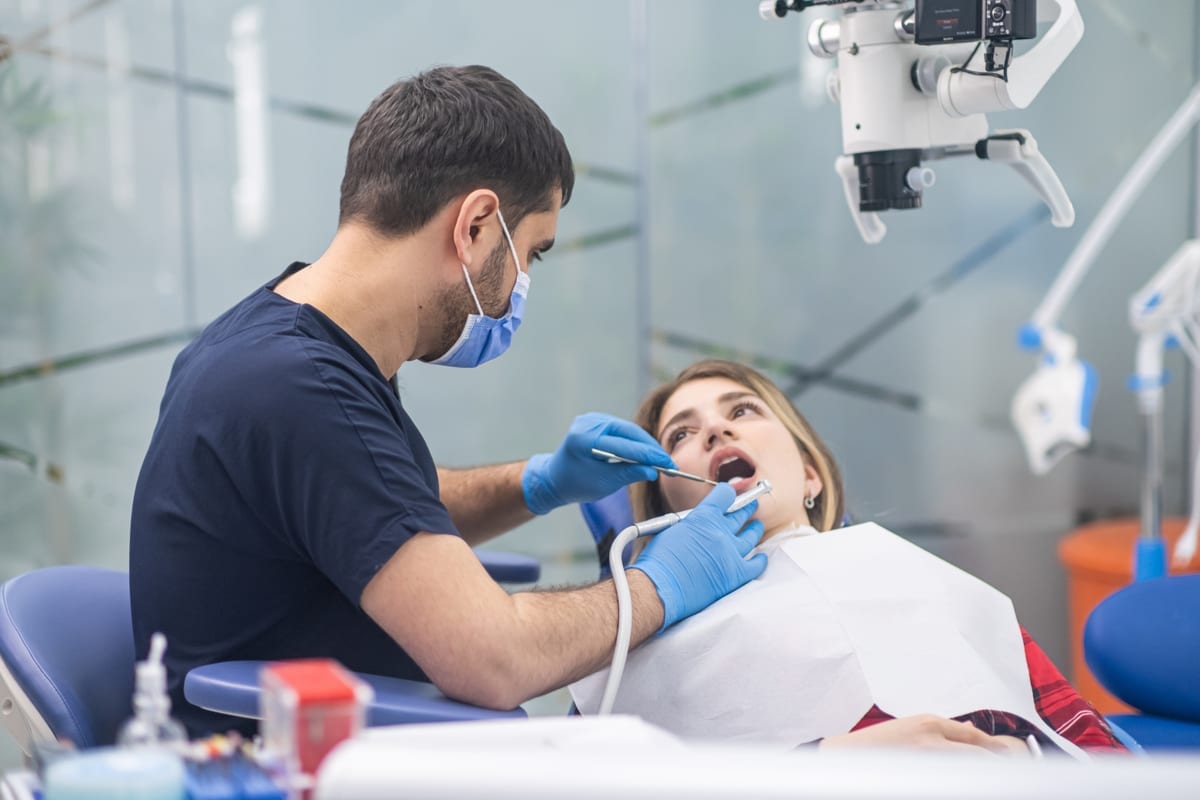
The most reliable way to assess your candidacy is through a professional evaluation. Dr. Rourke examines your teeth, reviews your dental history, and identifies the cause of your staining. From there, he recommends the approach most likely to achieve your goals. Guessing on your own rarely leads to the best outcome.
Over-the-counter whitening products vary widely in strength and quality. They may offer modest improvement for surface stains but lack the precision of professional treatment. A dental professional can also monitor your results and adjust the protocol as needed. That level of personalized care makes a significant difference.
Cheney Dental Care combines an educational approach with genuine empathy. The goal is never to upsell you — it’s to help you understand your options clearly. Dr. Rourke and his team take the time to answer every question. You’ll leave your consultation with a real plan, not just a sales pitch.
Conclusion: Know Before You Glow
Teeth whitening is one of the most popular and effective cosmetic treatments available — but only for the right candidate. Surface stains respond beautifully. Intrinsic stains, restorations, and medication-related discoloration require different solutions. Understanding your situation first saves time, money, and frustration. If you’re ready to find out whether whitening will actually work for your smile, Dr. Rourke is here to help. Book Now to schedule your appointment with our team.
Frequently Asked Questions
Does professional whitening work better than store-bought products?
Yes, significantly. Professional whitening uses higher-concentration peroxide gels under controlled conditions. Results are faster, more even, and more dramatic than most over-the-counter options. Dr. Rourke also customizes the treatment to your specific staining type and sensitivity level.
Can I whiten my teeth if I have crowns or veneers?
Whitening agents do not change the color of crowns, veneers, or bonding materials. If you whiten your natural teeth, those restorations will remain their original shade. This can create a noticeable color mismatch. Dr. Rourke will evaluate your situation and recommend the best approach before treatment begins.
How long do whitening results last?
Results typically last one to three years depending on your diet and habits. Coffee, tea, red wine, and tobacco accelerate re-staining. Periodic touch-up treatments can maintain your results over time. Good oral hygiene also plays a major role in how long your whitening lasts.
Is teeth whitening safe for sensitive teeth?
Many patients with sensitivity can still undergo whitening with the right precautions. Dr. Rourke may recommend a lower-concentration gel or a desensitizing protocol before treatment. Sensitivity during whitening is usually temporary and manageable. A consultation helps determine the safest approach for your specific needs.
What causes intrinsic tooth stains that whitening can’t fix?
Intrinsic stains develop inside the tooth structure rather than on the surface. Common causes include tetracycline antibiotic use during childhood, dental trauma, excessive fluoride exposure during development, and certain medical conditions. These stains require cosmetic solutions like veneers or bonding rather than whitening agents.