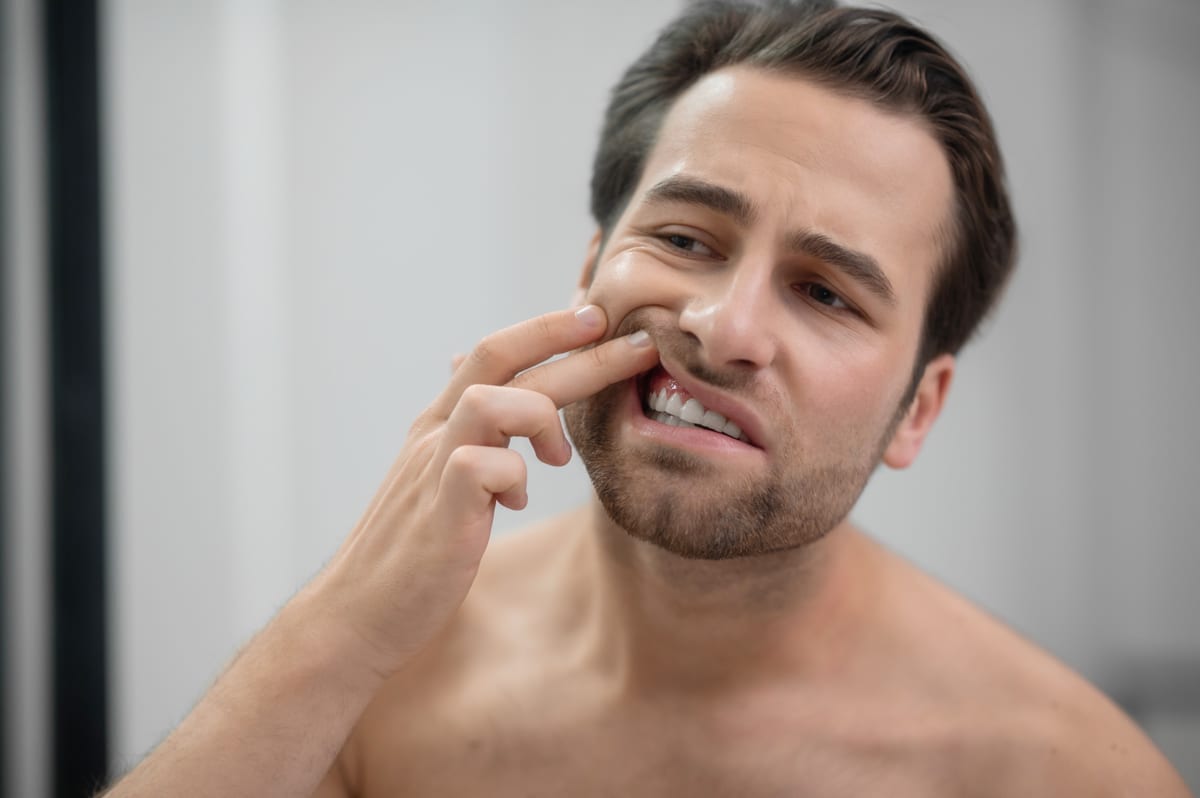

Does Root Canal Treatment Really Hurt? What to Expect During Recovery

Many patients in Cheney, WA ask the same question before their appointment: does root canal treatment really hurt? It is one of the most misunderstood procedures in all of dentistry. The short answer is that modern root canal treatment is far more comfortable than most people expect. Understanding what to expect during recovery in Cheney can help ease your anxiety and prepare you for a smooth healing process.
At Cheney Dental Care, Dr. Devin Rourke and our team treat patients with both skill and compassion. We believe that education reduces fear. That is why we want to walk you through exactly what happens — during the procedure and after — so you feel confident before you ever sit in the chair.
Does Root Canal Treatment Really Hurt? The Truth About Pain During the Procedure
The biggest myth about root canals is that they are extremely painful. In reality, the procedure itself causes very little discomfort. Modern local anesthesia numbs the tooth and surrounding tissue completely. Most patients feel nothing more than mild pressure during the treatment.
The source of this myth is outdated. Decades ago, dental techniques and anesthetics were far less advanced. Today, Dr. Rourke uses precise injection methods to ensure full numbness before any work begins. You should feel no sharp pain at any point during the procedure.
Some patients do feel slight anxiety or tension in the jaw from keeping their mouth open. That is completely normal. It is not the same as pain from the procedure itself. Letting your dental team know if you feel any discomfort helps them adjust immediately.
What Modern Anesthesia Does During Root Canal Treatment
Local anesthesia is the key to a comfortable root canal experience. Dr. Rourke administers the anesthetic directly near the affected tooth. This blocks all nerve signals from that area. Within a few minutes, the tooth and gum become completely numb.
In some cases, a tooth with a severe infection may be harder to numb right away. Infection can change the chemistry of surrounding tissue. When this happens, Dr. Rourke uses additional anesthetic techniques to ensure you stay comfortable throughout.
Here is what happens during a typical root canal visit at Cheney Dental Care:
- The area around the tooth is cleaned and dried
- A local anesthetic is injected to numb the tooth fully
- A small rubber dam isolates the tooth to keep it dry and clean
- The infected pulp is removed through a small opening in the crown
- The root canals are shaped, cleaned, and disinfected
- The canals are sealed with a biocompatible material
- A temporary or permanent crown is placed to protect the tooth
Each step is designed to be methodical and comfortable. Most root canals take between 60 and 90 minutes from start to finish.
What to Expect During Recovery in Cheney After a Root Canal
Recovery is where many patients experience their only real discomfort. Once the anesthesia wears off, you may notice soreness around the treated tooth. This is your body’s natural healing response. It typically peaks within the first 24 to 48 hours after treatment.
Most patients describe post-procedure soreness as mild to moderate. Over-the-counter pain relievers like ibuprofen or acetaminophen are usually all that is needed. Dr. Rourke will give you specific aftercare instructions before you leave the office.
Here are some helpful recovery tips to keep in mind:
- Avoid chewing on the treated side until the crown is placed
- Take any prescribed medication as directed
- Eat soft foods for the first 24 to 48 hours
- Avoid extremely hot or cold foods and drinks temporarily
- Keep your follow-up appointment to check healing progress
- Contact our office if you notice increasing pain or swelling after 3 days
Most patients return to their normal routine within one to two days. Severe or worsening pain after treatment is not typical and should be reported to our team promptly.
When Root Canal Pain May Signal Something Else
Ongoing or escalating pain after a root canal can sometimes indicate a complication. A missed canal, a cracked root, or reinfection can all cause extended discomfort. These situations are uncommon but do occur. Catching them early leads to better outcomes.
If you are in significant pain several days after your procedure, do not wait. Reach out to Cheney Dental Care right away. Our team offers Emergency Dentistry Cheney services for patients who need urgent care outside of normal appointment times. You do not have to suffer through unexpected pain alone.
In rare cases where a tooth cannot be saved, Dr. Rourke will discuss your tooth replacement options with you. One popular and long-lasting solution is Dental Implants Cheney, which replace the missing tooth root and restore full function. Your long-term oral health always comes first in our treatment planning.
Why Skipping a Root Canal Makes Things Worse
Some patients avoid root canal treatment because they fear pain. Unfortunately, delaying treatment almost always increases both pain and risk. An infected tooth does not heal on its own. The infection can spread to surrounding teeth, bone, and even soft tissue.
The discomfort of an untreated abscess is far greater than that of the root canal itself. Swelling, throbbing pain, and sensitivity to temperature are all signs that a tooth needs immediate attention. Acting quickly protects your overall health — not just your smile.
Choosing root canal treatment over extraction also preserves your natural tooth. Keeping your natural teeth whenever possible is always the preferred approach in modern dentistry. Dr. Rourke will always help you understand every option available before making any decisions.
Conclusion: Root Canal Recovery Is More Manageable Than You Think
So does root canal treatment really hurt? The honest answer is: not much, and rarely what you are imagining. The procedure itself is painless thanks to modern anesthesia. Recovery involves mild soreness that fades quickly with simple at-home care. What to expect during recovery in Cheney is a gradual, manageable healing process — not the ordeal that old dental myths suggest.
Dr. Devin Rourke and the team at Cheney Dental Care are here to support you every step of the way. We take time to answer your questions, explain each step, and make sure you feel comfortable before, during, and after your visit. Book Now to schedule your appointment with our team.
Frequently Asked Questions
How long does it take to recover from a root canal?
Most patients recover within one to two days. Mild soreness is common for the first 48 hours. More involved cases may take slightly longer, but significant discomfort beyond three to four days should be reported to your dentist.
Can I go to work after a root canal?
Many patients return to work the same day or the day after treatment. If your job involves heavy physical activity, you may want to take the day off. Dr. Rourke will give you guidance based on your specific situation.
What can I eat after a root canal procedure?
Stick to soft foods for the first 24 to 48 hours. Good options include yogurt, mashed potatoes, soup, and eggs. Avoid hard, crunchy, or chewy foods until the permanent crown is placed and healing is complete.
Is a root canal more painful than a tooth extraction?
Most patients report that a root canal is no more uncomfortable than a standard filling. A tooth extraction can sometimes involve more post-procedure soreness and a longer recovery period. Root canals also preserve your natural tooth, which is an added benefit.
What happens if I do not get a root canal when I need one?
Avoiding a necessary root canal allows the infection to grow and spread. This can lead to severe pain, abscess formation, bone loss, and even systemic health concerns. It is always better to treat an infected tooth promptly to prevent more serious complications.