Dental Crowns in Cheney, WA
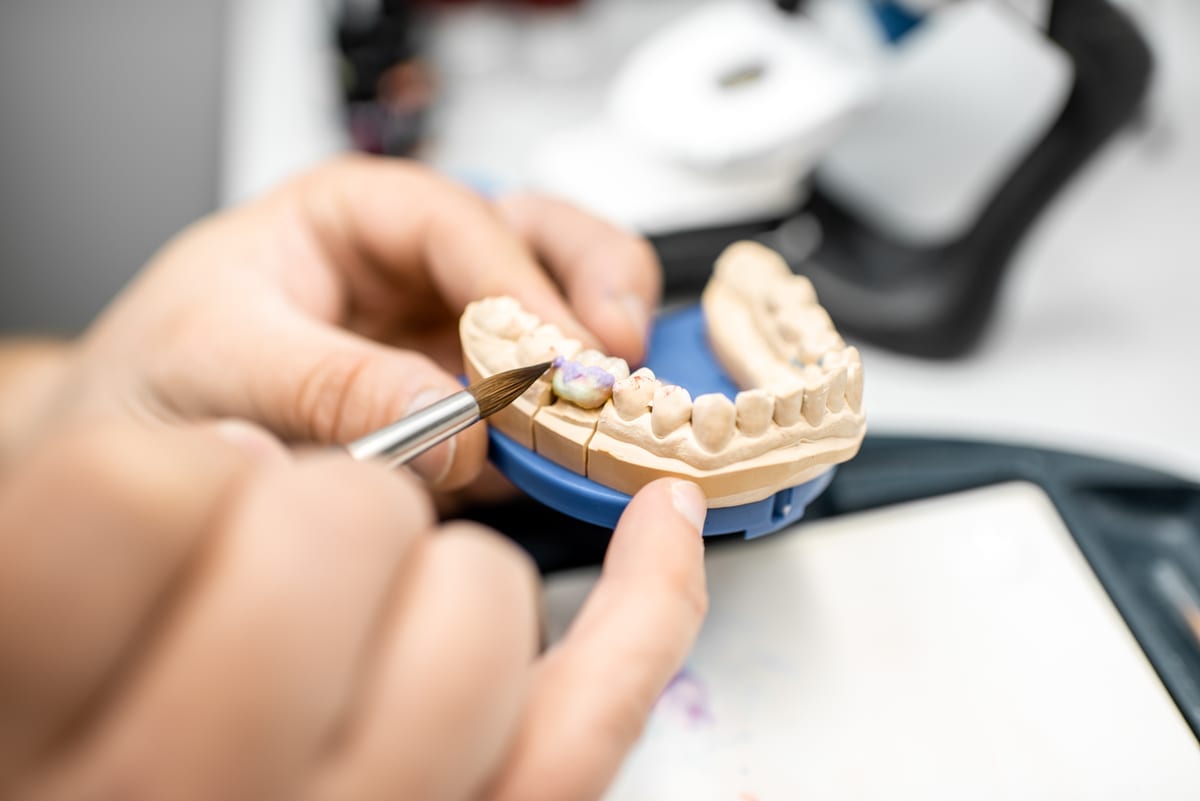
When your dentist recommends a crown, one of the first questions you may ask is: which material is best? The debate around porcelain vs zirconia vs metal crowns — which lasts longest in Cheney — is one Dr. Devin Rourke hears often at Cheney Dental Care. Each material has unique strengths. Understanding the differences helps you make a confident, informed decision with your dentist.
What Are Dental Crowns and Why Does Material Matter?
A dental crown is a tooth-shaped cap placed over a damaged or weakened tooth. It restores shape, strength, and appearance. The material used directly affects how long the crown lasts, how it looks, and where it works best in your mouth.
Cheney patients have different lifestyles, bite patterns, and dental histories. No single crown material suits everyone equally. That is why Dr. Rourke evaluates each patient individually before making a recommendation. Knowing the basics helps you participate in that conversation.
The three most common crown materials today are porcelain, zirconia, and metal. Each one serves a specific purpose. Comparing them across four key areas — aesthetics, strength, longevity, and best use case — makes the choice much clearer.
Porcelain Crowns: The Aesthetic Champion
Porcelain crowns mimic the translucency and color of natural teeth better than any other material. They are the top choice for front teeth where appearance matters most. Many patients pursuing Cosmetic Dentistry treatments prefer porcelain for this reason.
However, porcelain is not the most durable option available. It can chip or crack under heavy biting pressure. Patients who grind their teeth may find porcelain wears down faster than other materials.
Here is a quick overview of porcelain crown characteristics:
- Excellent color match to surrounding teeth
- Natural-looking translucency
- Best suited for front teeth and visible areas
- More prone to chipping than metal or zirconia
- Average lifespan of 10–15 years with proper care
Porcelain crowns work beautifully when placed correctly and cared for well. They shine in low-pressure situations toward the front of the mouth. For back teeth under heavy chewing forces, another material may serve you better.
Zirconia Crowns: The Strongest and Most Versatile Option
Zirconia has become the most popular crown material in modern dentistry. It combines the strength of metal with an appearance close to natural teeth. Many dentists — including Dr. Rourke — now recommend zirconia as the default choice for most patients in Cheney.
Zirconia is extremely hard and highly resistant to cracking. It handles the heavy chewing forces of back molars without breaking down. It also resists wear better than traditional porcelain over time.
Key advantages of zirconia crowns include:
- Exceptional durability and fracture resistance
- Natural tooth-like appearance
- Biocompatible — no known metal allergies
- Works well for both front and back teeth
- Lifespan often exceeds 15–20 years
Zirconia does have a slightly higher cost than traditional porcelain. However, its longevity often makes it the more economical choice over time. For patients in Cheney seeking a crown that balances looks and strength, zirconia is frequently the recommendation.
Metal Crowns: Unmatched Durability for Back Teeth
Metal crowns — typically made from gold alloy or base metal alloys — have been used in dentistry for decades. They are the most durable crown material available. A well-placed metal crown can last 20–30 years or even longer.
Metal crowns require less tooth reduction than other materials. This means your dentist removes less natural tooth structure during preparation. They also rarely chip or crack, making them ideal for molars under constant pressure.
The obvious downside is appearance. Metal crowns are highly visible when you smile or speak. Most patients prefer not to use them on front teeth or teeth visible when smiling. However, for back molars hidden from view, metal remains an excellent long-term option.
Metal crowns are also a practical choice for patients with heavy grinding habits. Their resistance to wear outlasts both porcelain and even most zirconia crowns in extreme cases. Dr. Rourke may recommend metal when durability is the top priority.
Porcelain vs Zirconia vs Metal: A Side-by-Side Comparison
Choosing between these materials comes down to your specific needs. Every patient’s situation in Cheney is different. The location of the tooth, your bite strength, and your aesthetic goals all play a role. Here is how the three materials compare directly:
- Aesthetics: Porcelain wins, zirconia is close, metal shows metallic color
- Strength: Metal is strongest, zirconia is second, porcelain is most fragile
- Longevity: Metal lasts longest, zirconia is very close, porcelain may need earlier replacement
- Best for front teeth: Porcelain or zirconia
- Best for back teeth: Zirconia or metal
- Cost: Metal and porcelain are typically lower cost; zirconia is moderate to higher
Your dentist will weigh all of these factors during your consultation. There is no single
Frequently Asked Questions
How long do dental crowns last?
With proper care and maintenance, dental crowns typically last between 10 to 15 years, though some can last even longer. The lifespan depends on the material used, your oral hygiene habits, and how well you care for the crowned tooth. Regular brushing, flossing, and dental checkups help extend the life of your crown.
What is the process for getting a dental crown?
The crown procedure usually requires two appointments. During the first visit, your dentist will examine the tooth, remove decay if necessary, and prepare it by shaping the tooth structure. An impression is taken to create your custom crown, and a temporary crown is placed to protect the tooth until your permanent crown is ready at the second appointment.
Will a dental crown feel natural?
Yes, modern dental crowns are designed to look and feel like your natural teeth. Your dentist will match the crown’s color, shape, and size to blend seamlessly with your surrounding teeth. After a brief adjustment period, most patients find that their crown feels completely natural when eating and speaking.
What causes the need for a dental crown?
Crowns are recommended for teeth with large cavities, root canal treatment, cracked or broken teeth, or weak teeth that need reinforcement. They may also be used for cosmetic reasons to improve the appearance of severely stained or misshapen teeth. Your Cheney dentist can determine if a crown is the best solution for your specific situation.
How do I care for my dental crown?
Care for your crown just like your natural teeth by brushing twice daily and flossing regularly. Avoid chewing on hard objects like ice or hard candies, as this can damage the crown. Regular dental visits help ensure your crown remains in good condition and that the tooth underneath stays healthy.