Inside Your Restorative Dentistry Appointment: What Happens at Every Stage

Understanding what happens inside your restorative dentistry appointment — what happens at every stage in Cheney — can make the whole experience far less intimidating. At Cheney Dental Care, Dr. Devin Rourke and our team believe informed patients feel more comfortable. When you know what to expect, anxiety gives way to confidence. This guide walks you through each phase of a restorative visit, from the moment you arrive to your final aftercare instructions.
Stage One: Arriving and Getting Settled at Cheney Dental Care
Your appointment begins before any treatment even starts. Our front desk team greets you and reviews your health history and any concerns you’ve noted. We take a few minutes to talk through what brought you in and what you’re hoping to achieve. This conversation helps Dr. Rourke tailor the appointment to your specific needs.
Next, a member of our clinical team gets you settled in the treatment chair. We explain each step before we do it — nothing happens without your knowledge. Comfort aids like a pillow or blanket are available if you’d like them. Small details like these make a real difference for nervous patients.
We also take any necessary X-rays at this stage. Digital X-rays are fast and expose you to minimal radiation. They give Dr. Rourke a complete picture of your tooth structure, roots, and surrounding bone. This information directly shapes the treatment plan for your visit.
Stage Two: The Examination and Restorative Treatment Plan in Cheney
Once imaging is complete, Dr. Rourke performs a thorough clinical examination. He checks the affected tooth, neighboring teeth, and your gum tissue. He looks for decay, cracks, worn enamel, and any signs of infection. This careful assessment ensures no underlying issues get missed.
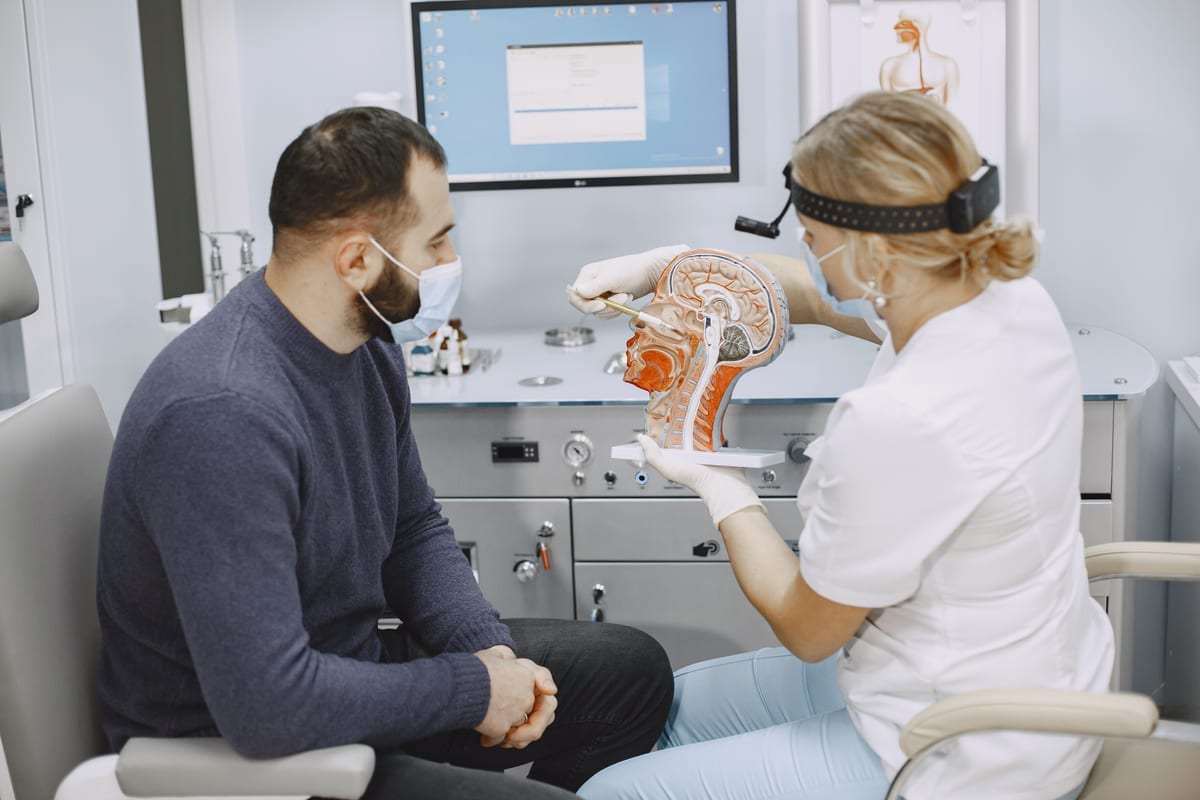
After the exam, Dr. Rourke explains his findings clearly. He describes what the tooth needs and why a specific restorative treatment is the right choice. You might need a dental crown, a filling, dental bonding, or another approach depending on the damage. He welcomes your questions and answers them in plain language — no confusing jargon.
Common restorative treatments we provide at this stage include:
- Dental crowns to protect cracked or weakened teeth
- Dental bonding to repair chips and minor fractures
- Tooth-colored fillings for cavities
- Root canal treatment to address infected tooth pulp
- Dental Implants Cheney for patients replacing missing teeth — learn more about dental implants here
Once you agree on the plan, we schedule treatment or proceed the same day if appropriate. Dr. Rourke never rushes this stage. Your understanding and comfort matter before anything else begins.
Stage Three: The Hands-On Treatment — What You’ll Feel and How We Help
Most restorative procedures begin with local anesthesia. Dr. Rourke applies a topical numbing gel first so the injection itself is barely noticeable. Once the area is numb, you shouldn’t feel pain — only mild pressure or vibration. Many patients are genuinely surprised by how comfortable the process is.
For a dental crown procedure, Dr. Rourke gently reshapes the tooth to accommodate the crown. He then takes a precise impression or digital scan of the area. A temporary crown protects the tooth while your permanent crown is crafted. At your next visit, the permanent crown is placed and adjusted for a perfect bite.
Dental bonding is even more straightforward. Dr. Rourke applies a tooth-colored composite resin directly to the damaged area. He sculpts and hardens it using a special curing light. The entire bonding process typically takes under an hour per tooth.
For root canal treatment, Dr. Rourke removes the infected pulp tissue from inside the tooth. The canal is cleaned, shaped, and sealed to prevent reinfection. A crown usually follows to protect the treated tooth long-term. With proper anesthesia, most patients say the procedure feels similar to getting a filling.
Throughout treatment, we check in with you regularly. If you feel any discomfort, simply raise your hand and we pause immediately. You are always in control of the pace. Our team monitors your comfort at every single step.
What We Do If a Dental Emergency Arises During Your Visit
Occasionally, an examination reveals a situation that needs urgent attention. A tooth may be more severely damaged than imaging suggested, or unexpected swelling may indicate active infection. In those moments, our team responds quickly and calmly. We are fully equipped to handle unexpected findings without sending you elsewhere.
We also serve patients who come to us in pain outside of routine appointments. If you experience a sudden toothache, a broken tooth, or dental trauma, Emergency Dentistry Cheney is available at our practice. Dr. Rourke prioritizes urgent cases so you never have to wait long for relief. Knowing this resource exists gives our patients genuine peace of mind.
Here is what our team does to keep unexpected situations manageable:
- Reassess X-rays immediately if new symptoms appear
- Communicate clearly about what changed and why
- Adjust the treatment plan with your input before proceeding
- Offer sedation options if anxiety increases during treatment
- Provide thorough post-procedure guidance before you leave
Stage Four: Aftercare Instructions and Your Recovery in Cheney
Once your restorative procedure is complete, the appointment isn’t quite over. Dr. Rourke or a clinical team member reviews your aftercare instructions in detail. These instructions are specific to your treatment — not generic advice. Following them carefully helps your restoration heal and last as long as possible.
If you received local anesthesia, we remind you that numbness may last a few hours. Avoid eating on the treated side until full sensation returns. Mild soreness after the anesthesia wears off is completely normal. Over-the-counter pain relievers like ibuprofen usually manage this effectively.
We also schedule any necessary follow-up appointments before you leave. For patients receiving a temporary crown, your permanent crown placement visit is booked at this time. We send you home with written instructions and a direct contact number for any concerns. You are never left wondering what to do if something feels off.
Long-term success with restorative dentistry depends on good daily habits. Brushing twice daily, flossing, and keeping regular dental checkups protect your investment. Dr. Rourke may also recommend a nightguard if clenching or grinding poses a risk to your restoration. These small preventive steps extend the life of your treatment significantly.
Conclusion: You Deserve a Comfortable, Informed Experience
Restorative dentistry at Cheney Dental Care is a step-by-step process built around your comfort and understanding. Dr. Devin Rourke and our team guide you through every stage — from the initial exam to final aftercare. No surprises, no rushing, and no unanswered questions. Patients in Cheney, WA deserve care that respects both their oral health and their time. Book Now to schedule your appointment with our team.
Frequently Asked Questions
How long does a typical restorative dentistry appointment take in Cheney?
Most restorative appointments at Cheney Dental Care last between 60 and 90 minutes. The exact length depends on the treatment type and the complexity of your case. Dr. Rourke will give you a realistic time estimate during the planning stage so you can plan your day accordingly.
Will I feel pain during my restorative procedure?
Dr. Rourke uses local anesthesia to ensure you stay comfortable throughout treatment. Most patients feel only mild pressure or vibration — not pain. If you experience any discomfort at any point, you can signal the team to pause immediately.
Do I need multiple visits to complete restorative treatment?
It depends on the treatment. Dental bonding and fillings are typically completed in a single visit. Dental crowns usually require two appointments — one to prepare the tooth and one to place the permanent crown. Dr. Rourke explains exactly how many visits your specific treatment requires before you begin.
What should I do after my restorative appointment?
Follow the specific aftercare instructions Dr. Rourke provides before you leave. Avoid chewing on the treated side until numbness wears off. Mild soreness is normal and typically resolves within a day or two. Contact our office right away if you notice unusual swelling, increased pain, or sensitivity that doesn’t improve.
Is restorative dentistry different from cosmetic dentistry?
Restorative dentistry focuses on repairing damaged or missing teeth to restore function and health. Cosmetic dentistry focuses primarily on improving the appearance of your smile. Many treatments, like dental crowns and dental bonding, serve both restorative and cosmetic purposes at the same time.