Dental Bonding Results in Cheney, WA

If you’ve been researching dental bonding results, you’ve probably seen stunning before-and-after photos online. Those results can look almost magical. But understanding what dental bonding can truly fix—and what it cannot—in Cheney helps you walk into your appointment with realistic expectations. At Cheney Dental Care, Dr. Devin Rourke believes honest education leads to happier, more confident patients. This article breaks down exactly what composite bonding achieves, where its limits lie, and how to decide if it’s the right choice for your smile.
What Is Dental Bonding and How Does It Work?
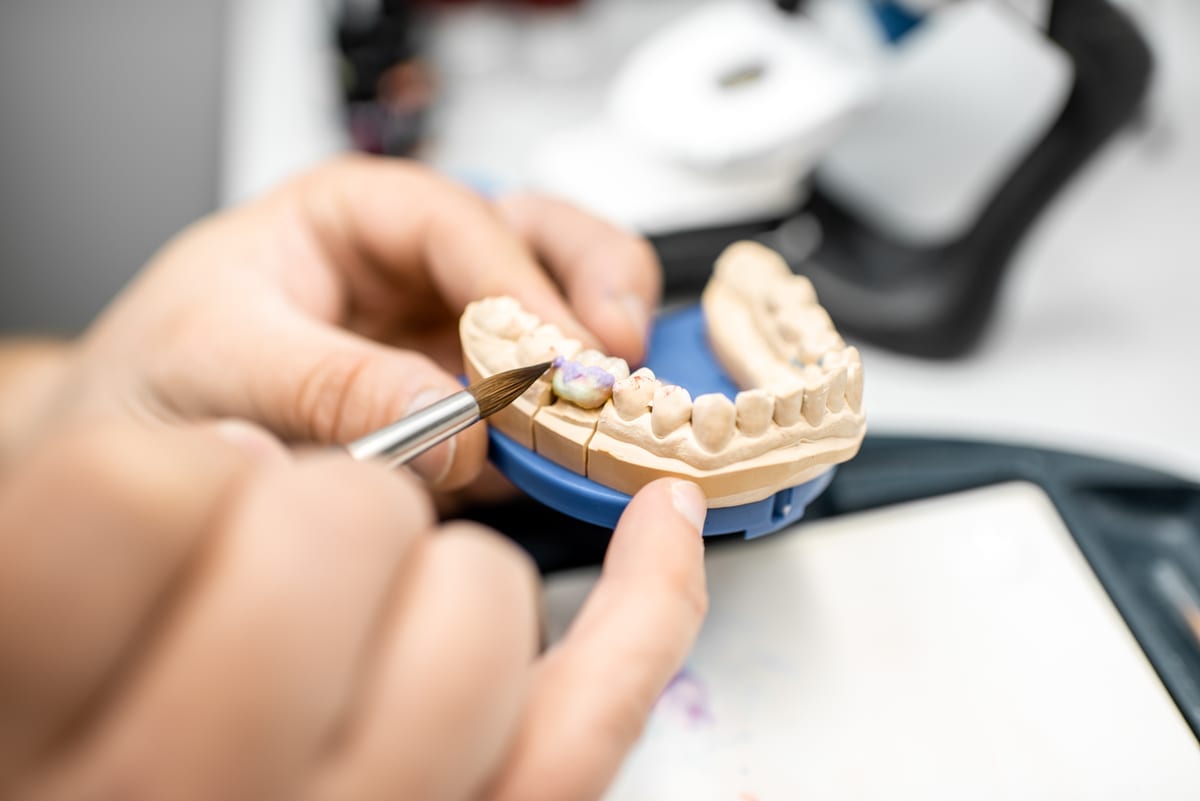
Dental bonding is a cosmetic procedure that uses a tooth-colored composite resin. Dr. Rourke applies the resin directly to your tooth surface. He then sculpts, shapes, and hardens it using a special curing light. The result blends naturally with your surrounding teeth.
The process is minimally invasive. In most cases, it requires little to no removal of natural tooth enamel. Most single-tooth bonding appointments take between 30 and 60 minutes. That makes it one of the fastest options within Cosmetic Dentistry.
Composite resin comes in many shades. Dr. Rourke carefully matches the color to your natural teeth. This attention to detail is what makes bonding look seamless when done well.
Dental Bonding Results: What It Can Fix in Cheney
Dental bonding delivers reliable improvements for a specific range of cosmetic concerns. Knowing which problems it addresses well helps you set realistic goals before treatment begins.
Here are the issues dental bonding reliably corrects:
- Chipped or cracked teeth: Bonding fills in chips and restores the original tooth shape quickly and effectively.
- Minor tooth discoloration: Stains that resist whitening—such as intrinsic or fluorosis stains—can be masked with bonding resin.
- Small gaps between teeth: Bonding can close minor spaces without orthodontic treatment.
- Slightly misshapen teeth: Resin adds contour and corrects irregular edges or uneven lengths.
- Short teeth: Bonding can lengthen a tooth that appears too small relative to its neighbors.
- Exposed root surfaces: When gums recede slightly, bonding protects sensitive root areas.
Each of these improvements targets surface-level appearance. Bonding changes shape, color, and symmetry within the visible tooth structure. That is its core strength.
What Dental Bonding Cannot Fix: Honest Expectations
Here is where many patients feel surprised. Dental bonding has real limitations. Being upfront about those limits is essential to your satisfaction with the outcome.
Bonding is a surface treatment. It works on the outer layer of teeth. It cannot alter the position of teeth within your jaw, correct bite misalignment, or address structural issues below the gumline.
Things dental bonding cannot fix include:
- Deep bite problems or jaw misalignment: These require orthodontic or surgical intervention.
- Severely crooked teeth: Bonding can minimize the appearance of mild crowding, but moderate to severe cases need braces or clear aligners.
- Large structural damage: Significant decay or fractures often call for a dental crown rather than bonding.
- Missing teeth: Bonding cannot replace a lost tooth. Dental implants or dentures are the appropriate solutions for that.
- Severe discoloration throughout all teeth: Widespread yellowing responds better to professional teeth whitening before or instead of bonding.
Dr. Rourke always conducts a thorough evaluation before recommending bonding. If another treatment better fits your needs, he will tell you directly. That honesty protects your investment and your health.
How Long Do Dental Bonding Results Last?
Durability is one of the most common concerns patients raise. Composite resin bonding typically lasts between five and ten years. The exact lifespan depends on several personal factors.
Bonded teeth can chip if you bite hard foods, chew ice, or use your teeth as tools. The resin can also stain over time from coffee, tea, and tobacco. Unlike porcelain veneers, composite resin is more porous and more susceptible to surface staining.
Good habits significantly extend bonding results. Brushing twice daily, flossing regularly, and visiting Cheney Dental Care for routine cleanings all help. Dr. Rourke may also recommend a nightguard if you grind your teeth, since grinding wears down bonding material faster.
When bonding does chip or stain, repairs are usually simple and affordable. That repairability is one of bonding’s underrated advantages over more permanent restorations.
Is Dental Bonding the Right Choice for Your Smile Goals?
Dental bonding works best for patients with minor cosmetic concerns and healthy underlying teeth and gums. If you have active gum disease, significant decay, or bite problems, those issues must be treated first. Placing bonding over unhealthy teeth leads to poor outcomes and potential complications.
During your consultation, Dr. Rourke reviews your dental and medical history. He examines your teeth, gums, and bite carefully. He then walks you through which cosmetic options align with your specific goals and anatomy.
Some patients find that a combination approach works best. For example, teeth whitening before bonding ensures the resin matches a brighter baseline shade. Others discover that a crown better protects a significantly damaged tooth. There is no one-size-fits-all answer.
If a dental emergency has caused a chip or crack that needs urgent attention, the team also offers Emergency Dentistry services for prompt care before planning cosmetic treatment.
Conclusion: Honest Conversations Lead to Better Smiles
Dental bonding is a genuinely versatile and effective cosmetic tool. It can correct chips, gaps, discoloration, and minor shape irregularities with minimal treatment time. However, it is not a replacement for orthodontics, implants, or crowns when those solutions are clinically appropriate. Understanding dental bonding results—what it can fix and what it cannot in Cheney—helps you make a confident, informed decision. Dr. Devin Rourke and the team at Cheney Dental Care are here to guide you through every step honestly and carefully. Book Now to schedule your appointment with our team.
Frequently Asked Questions
How much does dental bonding cost in Cheney, WA?
The cost of dental bonding varies based on the number of teeth treated and the complexity of the case. During your consultation at Cheney Dental Care, Dr. Rourke provides a clear cost estimate tailored to your specific needs before any treatment begins.
Does dental bonding hurt?
Most dental bonding procedures are comfortable and require little to no anesthesia. The process is minimally invasive since it rarely involves removing natural tooth structure. Patients generally report very little sensitivity during or after the procedure.
Can bonded teeth be whitened later?
Composite resin does not respond to whitening agents the way natural enamel does. If you plan to whiten your teeth, it is best to do so before bonding. That way, Dr. Rourke can match the resin to your new, brighter shade.
How do I know if I need bonding or a crown?
Bonding works well for minor cosmetic repairs and small chips. A dental crown is more appropriate when a tooth has significant structural damage, large decay, or needs protection after a root canal. Dr. Rourke evaluates each case individually and recommends the option that best supports your long-term dental health.
How soon can I eat and drink after dental bonding?
You can eat shortly after a bonding procedure since the resin is hardened immediately with a curing light. However, Dr. Rourke recommends avoiding staining foods and beverages—like coffee, red wine, and berries—for the first 48 hours to help preserve the color match of your new bonding.