
Dental Implants in Cheney, WA
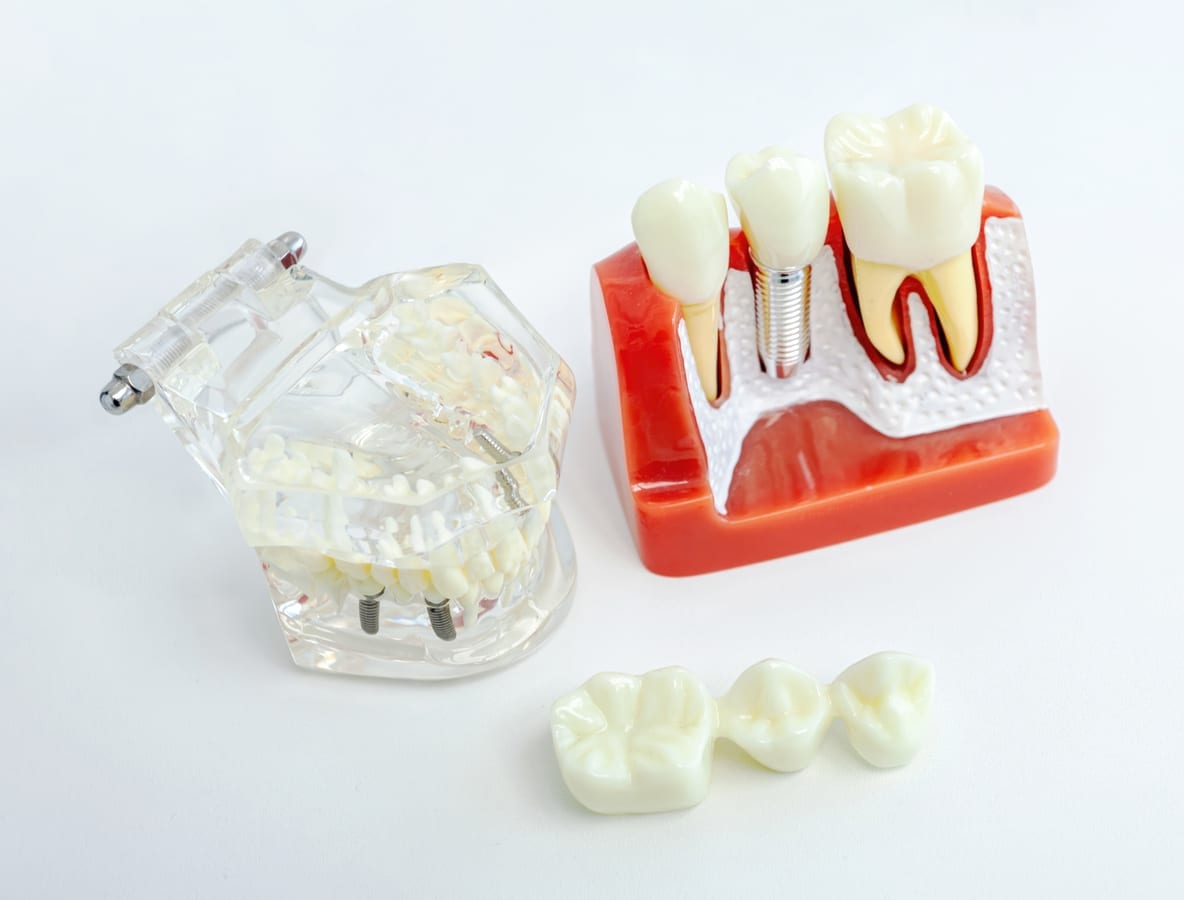
Are you really a candidate for dental implants in Cheney? It’s one of the most common questions Dr. Devin Rourke hears at Cheney Dental Care. Many patients assume they don’t qualify — but that’s often not the case. Understanding what actually determines candidacy helps you make a more confident, informed decision.
Dental implants replace missing teeth at the root level. They look, feel, and function like natural teeth. But not every patient is an automatic candidate. Several health and lifestyle factors play a role, and it’s worth understanding each one honestly.
What Makes Someone a Good Candidate for Dental Implants in Cheney?
The most important factor in implant candidacy is having enough healthy bone in your jaw. Implants fuse directly to the jawbone through a process called osseointegration. Without sufficient bone density, that fusion cannot happen reliably.
Your gums also need to be healthy before treatment begins. Active gum disease can compromise implant success rates significantly. Dr. Rourke often addresses gum health first before moving forward with implant planning.
Good candidates generally share a few key traits:
- Adequate jawbone volume and density
- Healthy gum tissue without active infection
- Good overall health with no uncontrolled systemic conditions
- A commitment to proper oral hygiene after placement
- Non-smoker status or willingness to quit before and during healing
Even if you don’t meet every criterion right now, that doesn’t mean implants are permanently off the table. Many barriers can be addressed with preparatory treatment.
Does Age Affect Your Eligibility for Dental Implants?
Age is a common concern, but it rarely disqualifies someone on its own. Older adults can be excellent implant candidates. Many patients in their 60s, 70s, and beyond receive implants successfully every year.
The real concern with younger patients is different. Teenagers and young adults whose jaws are still developing are typically not candidates yet. Implants should only be placed after the jaw has finished growing — usually in the late teens for females and early 20s for males.
For seniors, the focus shifts to overall health rather than age itself. Bone density may decrease with age, but that can often be evaluated and addressed. Dr. Rourke reviews each patient’s individual situation before making any recommendations.
How Do Health Conditions and Smoking Impact Candidacy?
Certain health conditions require careful evaluation before implant placement. Uncontrolled diabetes can slow healing and increase infection risk. Autoimmune disorders and certain medications may also affect how well bone integrates with the implant.
That said, having a health condition doesn’t automatically disqualify you. Many patients with well-managed diabetes or other conditions receive implants without complications. The key word is
Frequently Asked Questions
How long does the dental implant process take?
The complete dental implant process typically takes between 3 to 6 months from start to finish. This timeline includes the initial implant placement surgery, a healing period of several months to allow osseointegration (the implant bonding with your jawbone), and finally the placement of your crown. Your dentist in Cheney will provide a more specific timeline based on your individual case.
Am I a good candidate for dental implants?
Most people in good overall health with adequate jawbone density are candidates for dental implants. Your Cheney dentist will evaluate your bone structure, gum health, and medical history during a consultation. If you lack sufficient bone, bone grafting may be recommended to support the implant successfully.
What is the success rate of dental implants?
Dental implants have a success rate of approximately 95-98% when placed and maintained properly. This high success rate makes them one of the most reliable tooth replacement options available. Proper oral hygiene and regular dental visits are essential to maintain your implant’s longevity.
How much do dental implants cost in Cheney?
The cost of dental implants varies depending on factors such as the number of implants needed, bone grafting requirements, and your dentist’s expertise. While implants require a higher upfront investment than other tooth replacement options, they are extremely durable and can last a lifetime with proper care, making them cost-effective long-term.
What is the recovery time after implant surgery?
Most patients experience minor discomfort and swelling for a few days following implant surgery. You can typically return to light activities within a week, though you should avoid strenuous exercise and hard foods during the initial healing phase. Your Cheney dentist will provide detailed post-operative instructions to ensure smooth recovery.