
Understanding the Risks of Delaying Tooth Extractions

Tooth extraction is often seen as a last resort, but sometimes it’s the best option to maintain your overall oral health. Whether you’re dealing with a severely decayed tooth, impacted wisdom teeth, or a tooth that’s become loose due to gum disease, waiting too long for a tooth extraction can lead to unnecessary complications. As a resident of Cheney, WA, you may be wondering what could happen if you delay this essential dental procedure.
Let’s take a closer look at why timely tooth extractions are crucial and how they can help prevent bigger problems in the future.
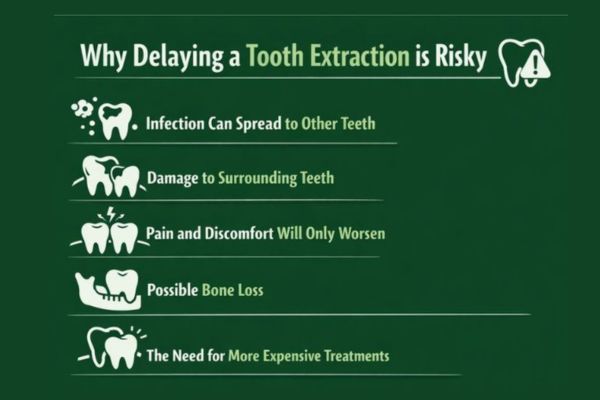
Why Delaying a Tooth Extraction is Risky
When a tooth is damaged or infected, it becomes important to remove it before the situation worsens. Here’s why:
1. Infection Can Spread to Other Teeth
A decayed or infected tooth doesn’t just affect one area; it can spread bacteria to surrounding teeth, gums, and even the jawbone. If left untreated, the infection may lead to abscesses, severe gum disease, or even systemic infections that affect your overall health. If you’re in Cheney, you want to avoid the risk of a localized issue becoming a much bigger health concern.
2. Damage to the Surrounding Teeth
When a tooth needs to be extracted but is left untreated, it can create pressure on the adjacent teeth. This can cause them to shift out of alignment, leading to bite problems. Shifting teeth can cause discomfort and may require additional dental treatments, such as braces or other corrective measures.
3. Pain and Discomfort Will Only Worsen
If you’ve been ignoring a painful tooth, it’s important to understand that delaying extraction can lead to even worse pain. Infected teeth can become extremely sensitive, causing sharp pain while chewing or even at rest. The longer you wait, the more likely you are to experience chronic discomfort that can disrupt your daily life. So, the only solution is to undergo tooth extractions in Cheney without delay.
4. Possible Bone Loss
In some cases, when a tooth is extracted, bone loss may occur in the surrounding area if the area is not addressed promptly. The longer a tooth remains in place with infection or decay, the more damage it can cause to the surrounding bone, which may eventually make extraction more complicated and extend recovery time.
5. The Need for More Expensive Treatments
Delaying a tooth extraction can lead to more complex procedures down the road. For example, a tooth infection left untreated may require a root canal or gum surgery. Moreover, if bone loss occurs, you might need a bone graft to support an implant. Getting a timely extraction can save you money in the long term by preventing the need for these more intensive treatments.
What Happens During a Tooth Extraction?
If your dentist recommends a tooth extraction, it’s essential to know what to expect during the procedure.
Step 1: Numbing the Area
Your dentist will first numb the area with a local anesthetic to ensure you don’t feel any pain during the extraction. For more complex cases, general anesthesia may be recommended to help you relax.
Step 2: The Extraction Process
The dentist will carefully loosen the tooth from its socket using specialized tools and remove it. If the tooth is impacted (especially common with wisdom teeth), the dentist may need to make small incisions to remove it.
Step 3: Post-Extraction Care
After the tooth is removed, your dentist will give you detailed instructions on caring for the extraction site to prevent infection. You’ll also be advised to rest and avoid certain foods and activities for the first few days.
The Importance of a Timely Tooth Extraction
When you undergo a timely tooth extraction, you’re not just removing a problem; you’re also taking a proactive step to protect your health. A dentist in Cheney will ensure that the procedure is done as efficiently and comfortably as possible. Here are the benefits of timely extraction:
- Prevent Further Damage: Extracting a damaged tooth promptly prevents complications, such as infection or the spread of decay.
- Relieve Pain and Discomfort: Getting the extraction done early can help eliminate the pain and discomfort that often accompany a problematic tooth.
- Support Your Long-Term Oral Health: Removing a tooth early ensures the surrounding teeth and bone structure stay healthy, preserving your smile for the long term.
Aftercare and Recovery: What to Expect
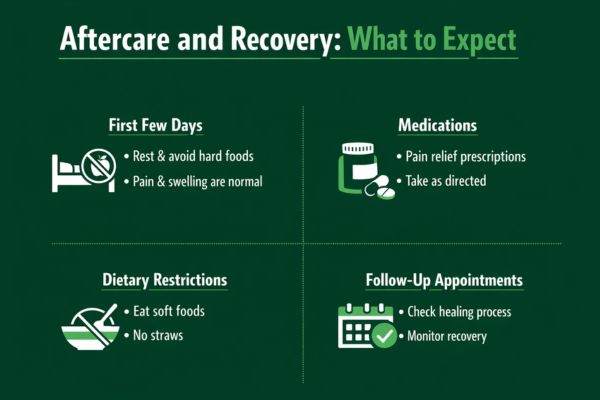
Recovery from a tooth extraction is usually straightforward, but it’s essential to follow your dentist’s post-op instructions. Here’s what you can expect during the recovery period:
- First Few Days: You’ll need to rest and avoid eating hard foods. Pain and swelling are normal and should subside after a few days.
- Medications: Your dentist will prescribe pain relief medications to keep you comfortable.
- Dietary Restrictions: Stick to soft foods and avoid drinking through a straw, as this can dislodge the blood clot forming in the extraction site.
- Follow-up Appointments: Your dentist may schedule a follow-up appointment to check the healing process.
What Happens if I Delay?
If you choose to wait, there could be serious consequences. A delay in extraction could increase the risk of infection, tooth damage, or the need for more invasive treatments. Addressing the issue as soon as possible will ensure a smoother, quicker recovery and prevent you from enduring unnecessary pain or more expensive treatments.
1. Increased Risk of Infection
An untreated infected tooth can worsen, leading to an abscess or even spreading bacteria to the rest of your body. Timely removal prevents this from happening.
2. Complicated Procedure
The longer you wait, the more complicated the extraction may become. If infection or bone loss has occurred, it can make the procedure more challenging and increase recovery time.
3. Higher Treatment Costs
Delaying the procedure can lead to additional costs due to more complex procedures that may be needed, such as root canals, gum surgery, or bone grafts.
Book Your Appointment for Tooth Extractions in Cheney Today!
If you’ve been delaying a necessary tooth extraction in Cheney, it’s time to act. Delaying treatment can lead to more severe pain, infection, and higher costs down the line. Contact Cheney Dental today to schedule a consultation with our dental team. We’ll guide you through the process, making sure your experience is as smooth and comfortable as possible.
People Also Ask
Q1. How long does it take to recover from a tooth extraction?
A: Recovery time typically takes around 1-2 weeks, though full healing can take up to 6 weeks, depending on the complexity of the extraction.
Q2. Is tooth extraction painful?
A: The procedure itself is painless due to anesthesia. However, you may experience some discomfort and swelling afterward, which can be managed with prescribed medications.
Q3. Can I eat after a tooth extraction?
A: You should stick to soft foods and avoid chewing on the side of the extraction for the first few days to ensure proper healing.
Q4. How can I prevent complications after a tooth extraction?
A: Follow your dentist’s aftercare instructions carefully, including keeping the area clean, avoiding smoking, and taking prescribed pain medications as directed.