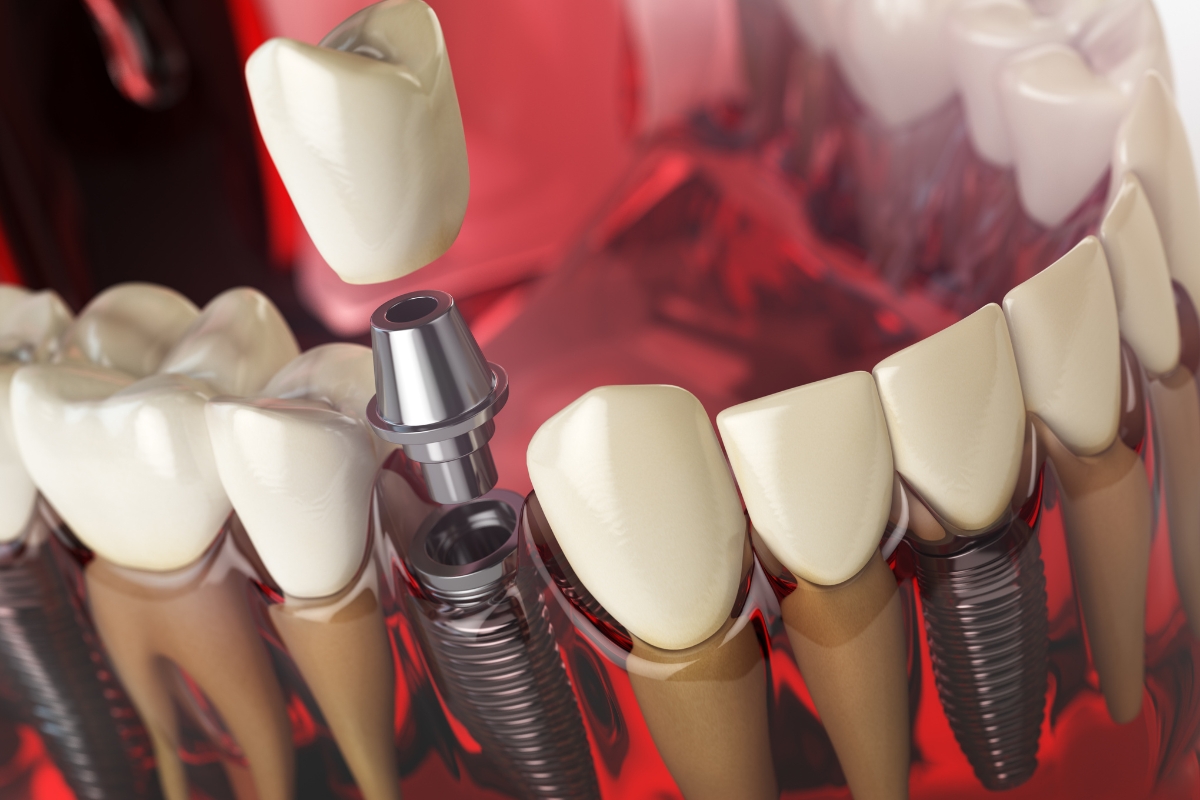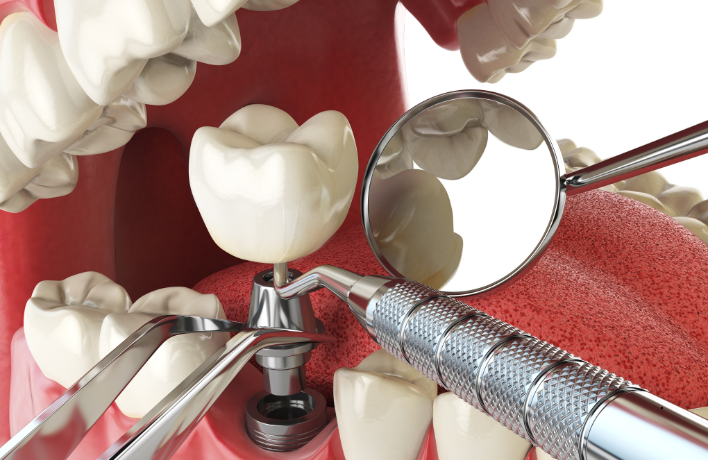

Dental Implants Timeline: Best vs Worst Time to Get Them
Missing teeth impact more than just your appearance; they influence your self-esteem, oral hygiene, and the way you experience your daily life. Fortunately, the best solution for restoring your smile and daily function can come in the form of dental implants. Before committing to this procedure, it is vital to keep in mind that implants are a long-term investment.
The exact timeline of dental fixtures will vary depending on factors like your existing oral health and the impact they’ll have on your life. Making smart decisions about when to get dental implants can greatly contribute to the bonding of implants with your jawbone. In this blog, we will walk through considerations to determine when to get endosseous implants and when to stay away from the procedure.
What Influences When You Get Your Dental Implants?
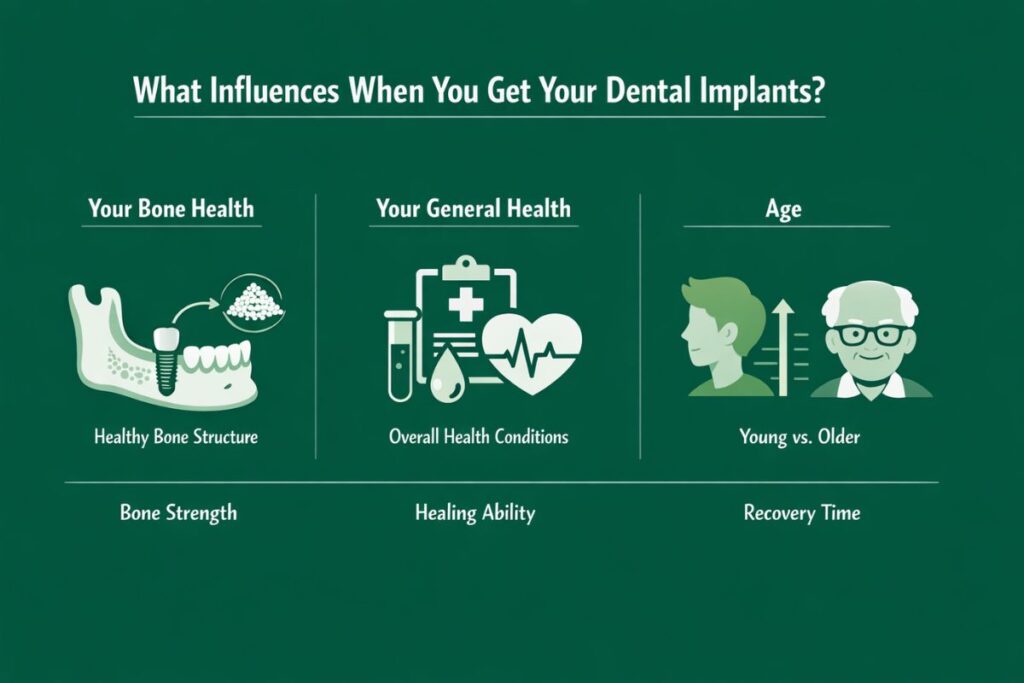
When exactly you decide to get dental implants is not “one-size-fits-all.” Multiple different circumstances can contribute to the perfect time for you to get endosseous implants. For your most beneficial outcomes possible, here’s what you need to keep in mind:
1. Your Bone Health
For your dental implants in Cheney to be successful, you need healthy bone in your jaw. This ensures a successful, secure procedure. If your bone structure is damaged because you have had missing teeth for quite some time, you will most likely need to receive a bone graft before your dental implant procedure can start. This could prolong the length of your procedure, so it is something you need to attend to as soon as possible.
2. Your General Health
Your health plays an important part in how quickly and well you heal from dental surgery. Being diagnosed with certain things, like diabetes or untreated periodontal disease, will hinder the healing process. Having a meeting with your dental implant dentist will help ensure there are no necessary precautions needed regarding your health prior to your procedure.
3. Age
While older patients and middle-aged patients can get endosseous implants, it is usually advised that younger individuals still growing should wait until their jaw has fully developed to have implants placed. Also, older patients have longer recovery times. Consult with your dental implant dentist about any necessary age-related concerns.
When Are The Best Times For Dental Implants?
Timing is key when you decide on the right time to receive endosseous implants. The best possible times are influenced by various aspects, including your dental hygiene, lifestyle, and the health of your bones. These are the best possible times for endosseous implants:
- As Soon As You Lose A Tooth: It’s recommended to get a dental implant soon after tooth loss. After a tooth is lost, the jawbone can recede, making the implantation process difficult. Early implantation can prevent bone loss, saving the need for additional procedures like bone grafting.
- Gum Health: To undergo dental implant surgery successfully, you must have healthy gums. A tooth extraction patient should have any gum disease or infection treated first before undergoing implantation. It guarantees proper anchoring of endosseous implants to the jawbone.
- After Sufficient Healing: After a tooth has been extracted, it should be given ample time for the patient to recuperate. For most, the optimum period of healing after extraction for dental implant placement is 2-3 months. However, it may be longer for certain individuals, and hence it’s best to consult your implant dentist for the duration of the wait.
- Before Major Health Changes: When you’re facing major life events such as relocation, job change, medical treatment, etc., it is advisable to opt for dental implant placement at a time you’re likely to commit to the recovery period fully.
The Wrong Time for Dental Implants
Even though the time you have a dental implant surgery can impact on the outcomes, it is always best to postpone it during some certain circumstances such as:
- If you are suffering from gum diseases: If you are suffering from gum disease at the time of dental implant surgery, it might leads to failed implant procedure. If your gums have infection or inflammation at the time of the surgery then it is better to undergo a gum disease treatment before you start the implant treatment. You should wait until your gums have healed and removed the infections.
- If you are suffering from some uncontrollable medical conditions: If you are suffering from a disease such as blood disorder or diabetes which are uncontrollable, it may affect the healing rate during the dental implant treatment. If these medical condition are uncontrollable, then it is better to control them with the doctor’s consultation.
- Pregnancy time: During pregnancy it is always suggested that dental implants should be delayed. Although dental implant surgery are safe but pregnancy changes can lead to an effect in body’s healing power. Also generally dentists or oral surgeons suggest waiting after the pregnancy to undergo a surgery in pregnancy term.
- If you cannot cope up with recovery period: Endosseous implants requires some amount of recovery period and healing takes many months. It is always advised not to have the dental implant procedure if you cannot take up that recovery period as it may lead to a stressed healing. Ensuring that you are not stressed during the recovery period will ensure success of your implants.
What is the duration of the dental implant procedure?
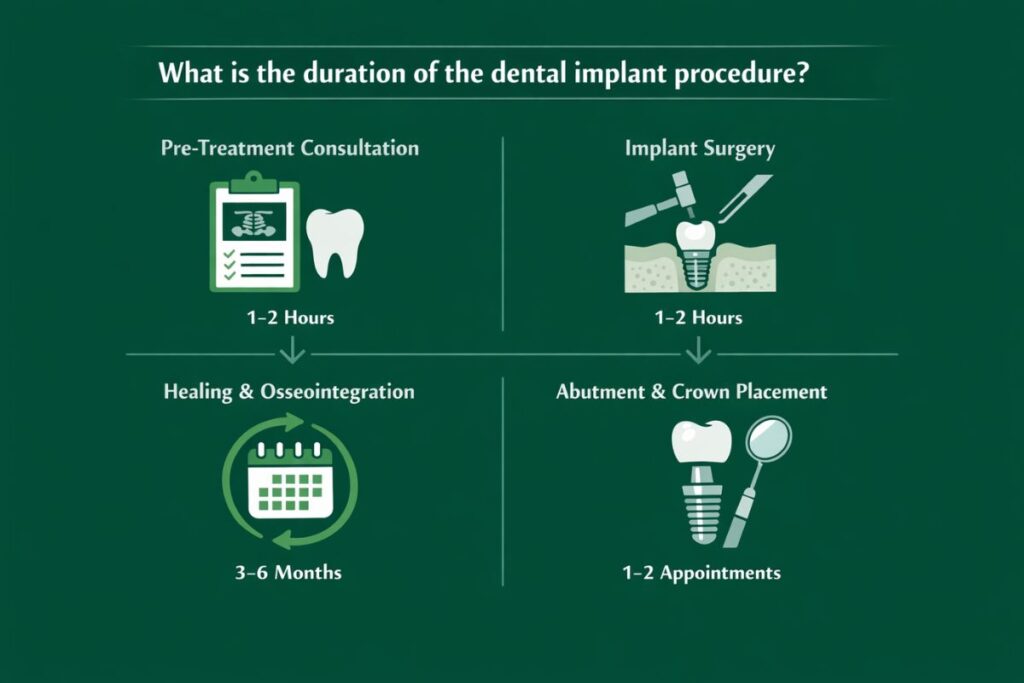
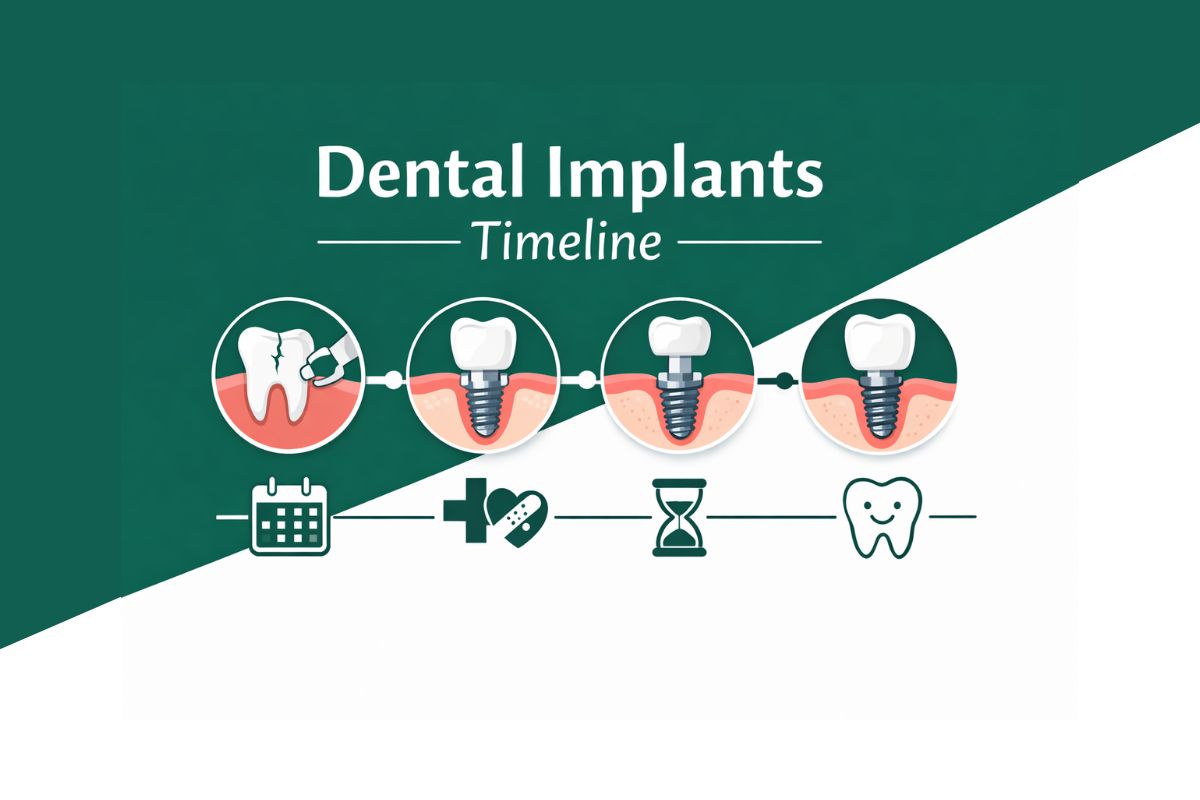
The time frame for a dental implant procedure depends on the intricacy of your situation. In general, the treatment involves the following phases:
- Pre-Treatment Consultation: This is where you will meet with your implant dentist who will review your current condition, order any necessary x-rays, and make you aware of what you can expect. This session usually takes one to two hours.
- Implant Placement Surgery: The surgical procedure of inserting the dental implant into the jawbone takes place here. This usually takes between one to two hours, depending on the number of implants to be placed.
- Healing and Osseointegration: After the implant is inserted, your jawbone needs to fuse with it and integrate properly. The osseointegration, as it is called, can take anywhere between three and six months and this varies with the state of your bone structure and ability to heal.
- Abutment and Crown Placement: The implant has now fully integrated with your jawbone so it is time for your dentist to fit your abutment and crown to it. This typically takes one to two appointments spanning several weeks.
The entire procedure takes around four to twelve months, but it is well worth the wait. Endosseous implants provide you with a long-lasting solution for your smile and this period of waiting is very necessary for effective outcomes.
Your Perfect Smile Awaits: Take the Next Step
If you are ready to finally answer any dental implant questions you may have and decide whether it is the right solution for you, the time could not be better than now. Dental implants can not only replace a lost tooth and help you eat normally, they can also help enhance the aesthetics and overall structure of your smile. It is important that you know both the worst and the best times for a dental implant so you can move forward in a positive way.
Cheney Dental Care is here to help you achieve your dream smile. Our team of implant dentists can answer any questions and walk you through each and every step so you are well on your way to a flawless smile. If you are interested in finding out more about the ideal time for you to get dental implants, call our office today and make an appointment for a consultation!
Questions People Ask About Dental Implants
1. How long does the dental implant process take?
The process can take 4 to 12 months, depending on individual healing and the number of implants placed. Healing after implant placement can take 3-6 months, followed by crown placement.
2. Can I get dental implants right after losing a tooth?
It’s best to wait until the area has healed. If bone loss has occurred, a bone graft may be necessary before implant placement. Immediate implants may be possible in some cases.
3. What if I don’t have enough jawbone for implants?
If you have insufficient jawbone, your dentist may recommend a bone graft to ensure the implant has enough support. This step may add time to your treatment plan.
4. Are dental implants painful?
The procedure itself is usually done under local anesthesia, so you won’t feel pain. Some discomfort may occur during recovery, but it can be managed with over-the-counter pain medication.
5. How do I care for my dental implants after surgery?
After your implant procedure, follow your dentist’s instructions carefully. Avoid chewing on hard foods, practice good oral hygiene, and attend follow-up appointments to ensure proper healing.
6. Can anyone get dental implants?
Dental implants are suitable for most adults with healthy gums and sufficient jawbone. However, some medical conditions or poor oral health may require treatment before implants can be placed. Your dentist will assess your suitability during a consultation.