
Is Periodontal Care Right for You? What Your Evaluation Reveals
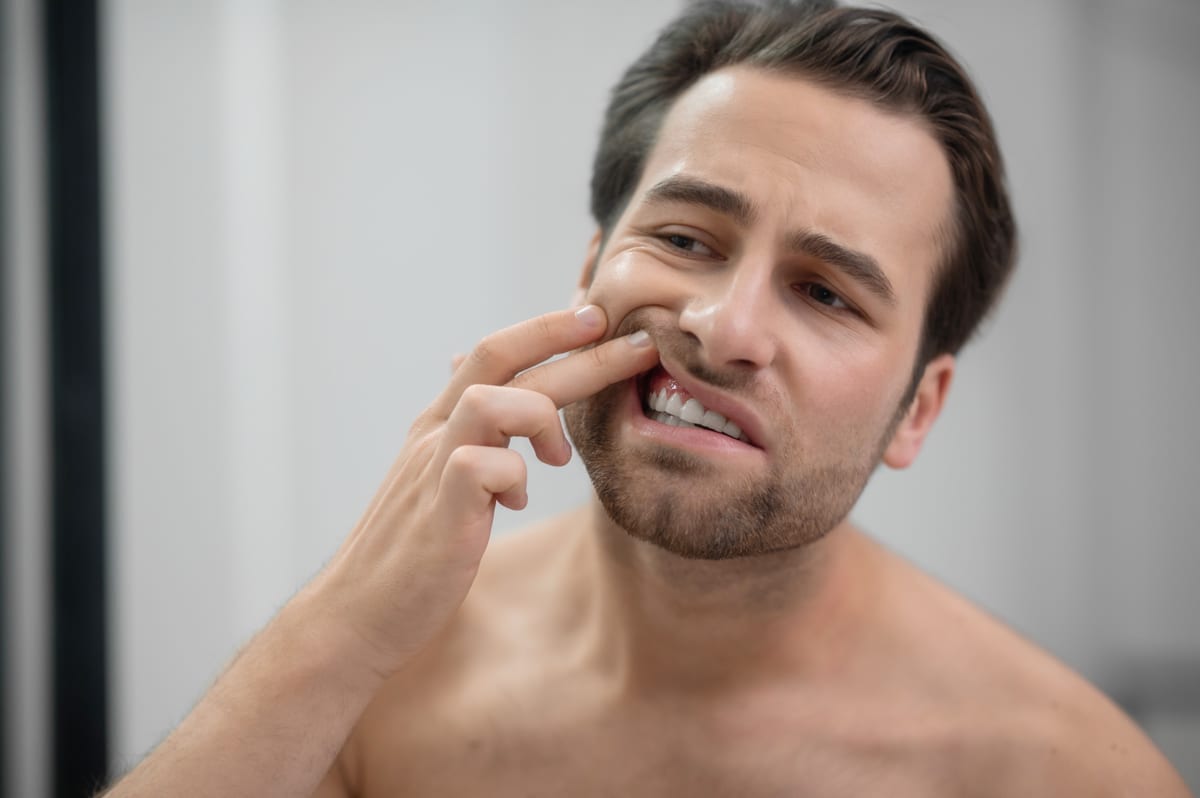
Many patients in Cheney, WA wonder whether their gum concerns are serious enough to need professional attention. The question — is periodontal care right for you, and what your evaluation reveals in Cheney — is one Dr. Devin Rourke answers every day at Cheney Dental Care. Gum disease affects millions of Americans, yet it often develops quietly. Understanding who needs periodontal care and what the evaluation process involves helps you take the right step at the right time.
What Is Periodontal Care and Who Needs It?
Periodontal care refers to the prevention, diagnosis, and treatment of gum disease. It covers everything from early gingivitis to more advanced periodontitis. Not every patient needs intensive periodontal treatment, but many need more than a standard cleaning.
You may be a strong candidate for periodontal care if you notice any of the following:
- Bleeding gums when brushing or flossing
- Persistent bad breath that does not improve with brushing
- Gums that look red, swollen, or receding
- Teeth that feel loose or shifting
- Pain or sensitivity along the gumline
- Visible buildup of tartar near the gumline
These signs suggest that bacteria have moved beneath the gumline. Left untreated, this can lead to bone loss and eventual tooth loss. Dr. Rourke and the team at Cheney Dental Care help patients identify these warning signs early.
What Your Periodontal Evaluation Reveals in Cheney
A periodontal evaluation gives your dentist a detailed picture of your gum health. It goes well beyond a visual check. Dr. Rourke uses several clinical tools to assess what is happening beneath the surface.
During your evaluation, you can expect the following steps:
- Periodontal probing: A small instrument measures pocket depth around each tooth. Healthy pockets measure 1–3 mm. Deeper pockets indicate gum disease progression.
- Dental X-rays: These reveal bone levels around your teeth. Bone loss is a key marker of advanced periodontal disease.
- Gum tissue assessment: Dr. Rourke evaluates color, texture, and bleeding response. Healthy gum tissue is firm and pale pink.
- Plaque and tartar mapping: The team identifies where buildup is concentrated. This guides the treatment plan.
The results of this evaluation determine whether you need a simple cleaning, scaling and root planing, or ongoing periodontal maintenance. Every recommendation is based on your specific clinical findings — not a one-size-fits-all approach.
Factors That Determine the Best Periodontal Treatment Approach
Not every patient with gum disease needs the same treatment. Several factors influence which approach is most appropriate for you. Dr. Rourke considers all of these before recommending a plan.
Key factors include the stage of gum disease, your oral hygiene habits at home, and any underlying health conditions. Diabetes, for example, can accelerate gum disease progression. Smoking also reduces the effectiveness of periodontal treatment and slows healing.
Your history of periodontal disease matters too. Patients who have had gum disease before face a higher risk of recurrence. They often benefit from more frequent maintenance visits. Dr. Rourke tailors the frequency and intensity of care to each patient’s unique situation.
Mild cases of gingivitis may resolve with a professional cleaning and improved home care. Moderate to severe periodontitis typically requires scaling and root planing. This non-surgical deep cleaning removes bacteria and calculus from below the gumline. In some cases, additional therapies or referrals to a periodontist may be recommended.
How Periodontal Health Connects to Your Overall Smile
Your gums are the foundation of your entire smile. Periodontal disease does not just affect your gums — it affects every other dental treatment you may need or want. Dental implants, crowns, and cosmetic procedures all depend on a healthy gum foundation.
Patients pursuing tooth replacement or smile enhancement should address gum disease first. Placing an implant into infected tissue leads to failure. Dr. Rourke ensures your gum health is stable before moving forward with any restorative or cosmetic work.
There is also a well-documented link between periodontal disease and systemic health. Research connects gum disease to heart disease, diabetes, and respiratory conditions. Treating your gums is not just about your mouth — it is about your overall wellbeing.
If you ever face a sudden dental concern alongside your gum symptoms, Emergency Dentistry Cheney services are available at Cheney Dental Care to address urgent needs quickly. Patients experiencing a Dental Emergency Cheney can reach our team for prompt, compassionate care.
Taking the Next Step Toward Healthier Gums in Cheney, WA
If you have been noticing any warning signs of gum disease, do not wait to seek an evaluation. Early intervention leads to better outcomes and simpler treatment. The longer periodontal disease progresses, the more complex the care becomes.
Dr. Devin Rourke and the team at Cheney Dental Care take a thorough, patient-first approach to every evaluation. They explain your findings clearly, answer your questions, and work with you to develop a realistic treatment plan. Patients in Cheney and the surrounding area can count on compassionate, evidence-based periodontal care.
Your gum health affects your comfort, your confidence, and your long-term oral health. A periodontal evaluation is the clearest way to understand where you stand. Book Now to schedule your appointment with our team.
Frequently Asked Questions
How do I know if I need periodontal care versus a regular cleaning?
A regular cleaning addresses plaque and tartar above the gumline. Periodontal care is needed when bacteria and buildup extend below the gumline. Your dentist determines this through a periodontal evaluation, including pocket depth measurements and X-rays. If your pocket depths exceed 3 mm in multiple areas, periodontal treatment is typically recommended.
Is periodontal treatment painful?
Most periodontal procedures, including scaling and root planing, are performed with local anesthesia. Patients typically experience minimal discomfort during treatment. Some tenderness or sensitivity may occur in the days following the procedure. Dr. Rourke and the team at Cheney Dental Care prioritize patient comfort throughout every visit.
How long does periodontal treatment take?
Treatment length depends on the severity of your gum disease. Mild cases may require one or two appointments. More advanced cases may involve multiple deep-cleaning sessions followed by a period of healing and reassessment. Your treatment timeline will be outlined clearly during your evaluation.
Can gum disease come back after treatment?
Yes, gum disease can recur, especially without proper maintenance. Patients who complete periodontal treatment are typically placed on a more frequent maintenance schedule — often every three to four months. Consistent home care and regular professional cleanings significantly reduce the risk of recurrence.
Does periodontal disease affect my eligibility for dental implants or other treatments?
Active gum disease must be treated before most restorative or cosmetic procedures. Implants, in particular, require a healthy bone and gum foundation to succeed. Dr. Rourke will evaluate your periodontal health as part of any comprehensive treatment planning to ensure the best possible outcomes.