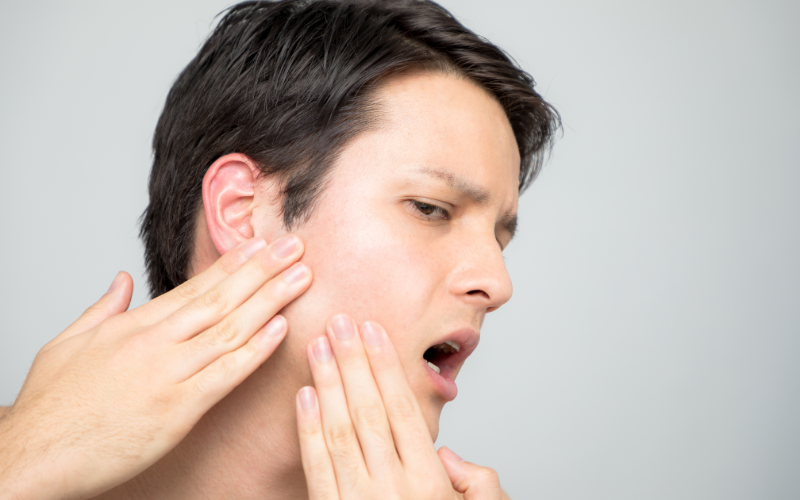

What Long-Term Risks Come With Untreated TMJ

Untreated TMJ can lead to serious health issues. Learn the long-term risks of ignoring TMJ and how timely treatment can improve your life.
TMJ disorders aren’t just about a bit of jaw pain—they can really disturb your day-to-day life, sometimes in ways you don’t even notice at first. The TMJ sits right where your jaw meets your skull and handles all the heavy lifting when you chew, talk, or yawn. When something’s off with this joint, things can get painful, stiff, and, if you ignore it long enough, you could end up with more serious problems down the line.
What happens if you brush off TMJ issues and hope they’ll go away?
Let’s dig into what living with untreated TMJ can mean for your health, and why acting early makes all the difference.
Why Ignoring TMJ Symptoms Isn’t Worth It
TMJ problems don’t just stay in your jaw. They can spread rapidly and cause trouble all over. Here’s what you might deal with if you let things slide:
- Chronic Pain: That ache in your jaw might start spreading to your face, neck, or even your shoulders. If you don’t do something about it, the pain can set in for the long haul and make even basic things—like eating or talking—a challenge.
- Headaches and Migraines: TMJ issues often team up with headaches and migraines. These can get pretty intense and will likely just get worse if you don’t take action.
- Teeth Damage: If your jaw’s not performing at its finest, you might find yourself grinding or clenching your teeth without even realizing it. That can chip, crack, or wear down your teeth, causing even more dental problems.
- Hearing Problems: TMJ sits close to your ears, so it’s not uncommon to experience earaches, ringing (tinnitus), or even hearing loss. Nerves in that area get compressed, leading to trouble.
- Eating or Speaking Gets Hard: Jaw misalignment can make even simple tasks like chewing or talking uncomfortable or downright painful. This can make meals and conversations something you dread instead of enjoy.
Why You Shouldn’t Wait to Treat TMJ
Getting TMJ checked out early can help prevent many of these issues from taking over your life. Fast treatment helps manage pain, prevents your jaw and teeth from getting worse, and can even reduce headaches and earaches. Most importantly, it gives you back the freedom to eat, speak, and go about your day without constantly thinking about your jaw.
If you put it off, you’re only giving those symptoms more time to get worse—which usually means more complicated and expensive fixes later.
TMJ Treatment in Cheney: What to Expect
If your jaw’s been causing trouble, don’t just wait for it to get better by itself. A dentist who really understands TMJ can walk you through your options. TMJ treatment in Cheney can mean dental splints, physical therapy, or, for more stubborn cases, surgery. Your dentist will help you figure out what makes sense for you.
The goal?
Stop the pain, reduce inflammation, and protect your jaw and teeth from further damage. By treating the root cause, not just the symptoms, you stand a much better chance of getting back to normal and dodging extensive problems down the road.
Don’t Let TMJ Control Your Life
If you’re noticing jaw pain, popping sounds, or trouble chewing, now’s the time to act. Even if it feels minor, ignoring it could set you up for years of pain, dental work, headaches, or even surgery. Early treatment can spare you all that.
A good dentist can help you pick the right treatment, whether it’s something simple like a dental appliance or orthodontic procedures if things are serious.
Bottom Line
TMJ problems aren’t something you can just shrug off. They can lead to long-term issues with your jaw, teeth, and overall well-being. It’s best not to wait for things to get worse. Reach out to our dentist at Cheney Dental Care, talk about what’s going on, and find a solution that keeps you comfortable and healthy.
FAQs
1. What are the main causes of TMJ disorders?
TMJ disorders can be caused by injury, teeth grinding, jaw misalignment, or stress. These factors can affect the jaw joint, leading to pain and discomfort.
2. Can TMJ be treated without surgery?
Yes, most TMJ disorders can be managed with non-invasive treatments such as steroid injections, occlusal adjustments, and stress management techniques.
3. How long does it take to recover from TMJ treatment?
Recovery time depends on the severity of the disorder and the type of treatment used. For many people, conservative treatments offer relief within a few weeks.
4. Can TMJ lead to permanent damage?
If left untreated, TMJ can lead to permanent damage to the teeth, jaw, and even cause chronic pain, which is why early treatment is essential.